
External Wall Insulation in London: Is It Worth It?
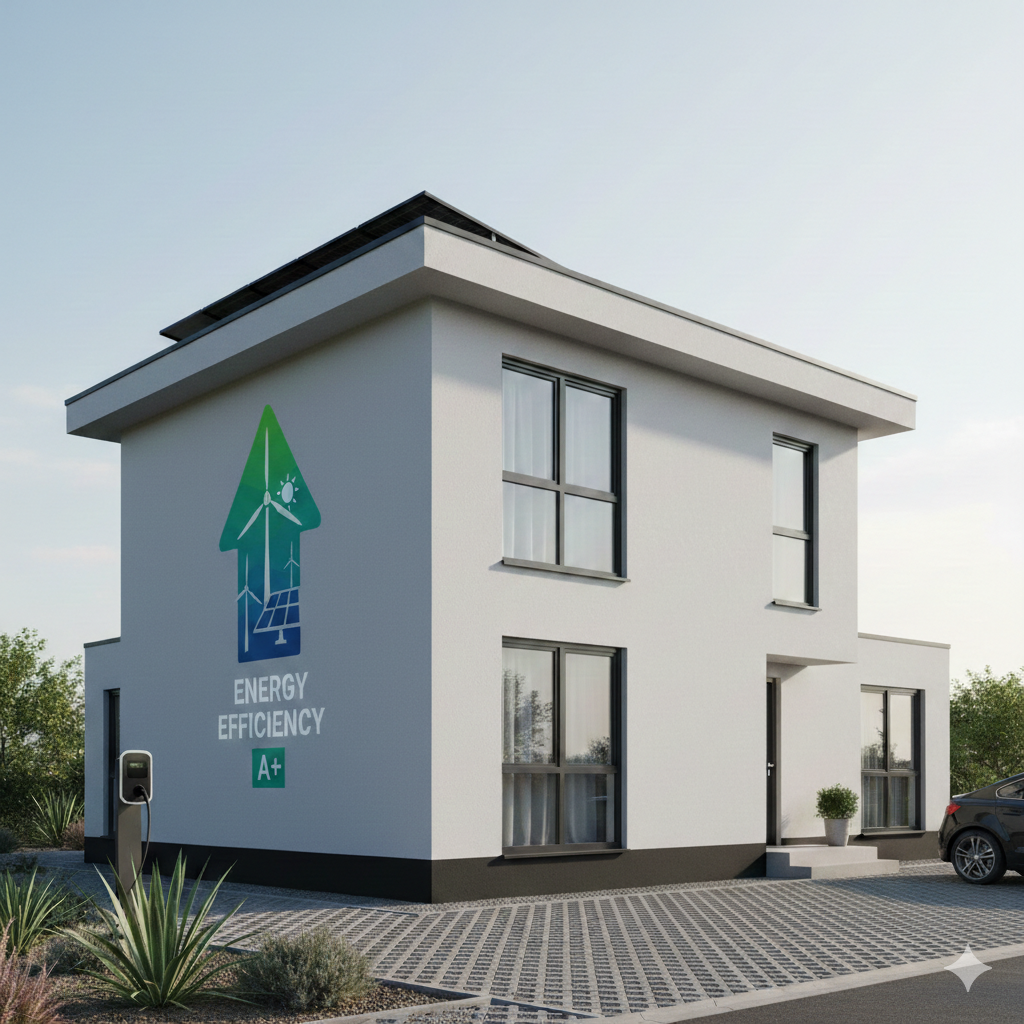
London's architectural tapestry is rich and varied, from Victorian terraces to modern builds. However, a common thread running through many of these homes is the potential for significant heat loss, leading to higher energy bills and less comfortable living spaces. Enter External Wall Insulation (EWI) – a revolutionary solution gaining traction as homeowners seek to future-proof their properties and embrace sustainable living.
What is External Wall Insulation (EWI)?
EWI involves applying a layer of insulation material to the exterior walls of a property, which is then covered with a protective render or cladding system. This creates a thermal "jacket" around your home, significantly reducing heat transfer and improving its energy efficiency. For London homes, where space is often at a premium, EWI is particularly appealing as it doesn't reduce internal floor area.
The Undeniable Benefits of EWI for London Homeowners
Investing in EWI offers a multitude of advantages, making it a smart choice for Londoners:
Dramatic Energy Bill Reduction: This is often the primary driver. By preventing heat from escaping in winter and entering in summer, EWI can slash your heating and cooling costs by up to 30-40%. Imagine the savings over a year!
Enhanced Thermal Comfort: Say goodbye to cold spots and draughts. EWI creates a more consistent internal temperature, making your home feel warmer in winter and cooler in summer.
Improved Acoustic Insulation: The added layer of material acts as a sound barrier, reducing noise pollution from busy London streets and creating a more peaceful indoor environment.
Protection for Your Property: EWI shields your external walls from the elements, preventing damp penetration,frost damage, and general wear and tear, thereby extending the lifespan of your property's exterior.
Aesthetic Transformation: With a vast array of renders, colours, and finishes available, EWI offers an excellent opportunity to modernise and revitalise the look of your home, boosting its kerb appeal and value.
Reduced Carbon Footprint: By consuming less energy, your household will contribute less to carbon emissions,aligning with London's ambitious environmental targets and promoting a greener future.
Increased Property Value: An energy-efficient home with a modern exterior is a highly attractive prospect in the competitive London property market.
EWI vs. Alternatives: Why Fabric-First is Best
While there are various ways to improve home energy efficiency, a "fabric-first" approach, where the building's shell is made as efficient as possible, is generally considered superior. Here's how EWI stacks up against other popular measures:
Internal Wall Insulation (IWI): IWI involves insulating the inside of your external walls. While effective, it reduces internal room size, can be disruptive to install (requiring removal of skirting boards, radiators, etc.), and can be more prone to cold bridging if not installed perfectly. EWI avoids these internal disruptions.
Cavity Wall Insulation (CWI): CWI involves injecting insulation material into the gap between the inner and outer walls. This is highly effective for homes with suitable cavities. However, many older London properties,particularly solid wall builds, lack a cavity, making CWI impossible. EWI is the only viable external insulation option for these homes.
Double Glazing & Loft Insulation: These are crucial components of an energy-efficient home and should certainly be considered. However, they address heat loss through windows and roofs respectively. EWI tackles the largest surface area of heat loss – your external walls – offering a comprehensive solution that complements other measures.
Renewable Technologies (Solar Panels, Heat Pumps): These are excellent for generating clean energy or more efficiently heating your home. However, they work best when combined with a well-insulated property. There's little point generating energy if it's just going to leak out through poorly insulated walls. A fabric-first approach maximises the effectiveness of renewable technologies.
The Ultimate Conclusion: Why Fabric Measures (like EWI) Reign Supreme
A building's fabric, its walls, roof, and floor, is the first line of defence against heat loss. Improving this fabric through measures like EWI is fundamentally more effective and sustainable in the long term than relying solely on heating systems or even renewable technologies.
Think of it this way: you wouldn't install a super-efficient boiler in a house with holes in its walls. Similarly, optimising your home's thermal envelope ensures that any heat generated (whether from a conventional boiler or a heat pump) is retained within the property, drastically reducing the energy demand in the first place. This leads to lower running costs, a smaller carbon footprint, and a more comfortable living environment that requires less energy to maintain. For London homes, particularly those with solid walls, EWI is not just an improvement; it's often the most impactful and transformative energy efficiency upgrade available.
FAQs About External Wall Insulation in London
Q1: How long does EWI installation take? A: The duration varies depending on the size and complexity of your home, but typically, a standard London terraced house might take 2-4 weeks to complete.
Q2: Is EWI suitable for all types of London homes? A: EWI is particularly effective for solid wall properties, which are common in older London boroughs, as they cannot have cavity wall insulation. It can also be applied to homes with existing cavities, further enhancing their thermal performance.
Q3: What maintenance does EWI require? Modern EWI systems are very low-maintenance. They are designed to be durable and weather-resistant. Occasional cleaning with a gentle wash can keep the render looking fresh.
Q4: Will I need planning permission for EWI in London? A: This depends on your property. If your home is in a Conservation Area or is a Listed Building, or if you live in a flat, planning permission may be required. It's always best to check with your local London borough council's planning department before starting any work.
Ready to transform your London home into a warmer, more energy-efficient, and aesthetically pleasing space? Consider the long-term benefits of External Wall Insulation – a proven fabric-first solution for a smarter, greener future.